
Writers often hear that “story is story,” which is true—until you sit down to actually write. Then writers discover that each storytelling format plays by different rules. Not theoretical rules. Practical ones. The kind of rules affecting how we structure scenes, reveal character, and think about pacing, stakes, and audience.
Here’s a grounded look at the most useful differences between script and film writing, novel writing, short story writing, and television writing, so writers can write smarter for the medium they’re in.
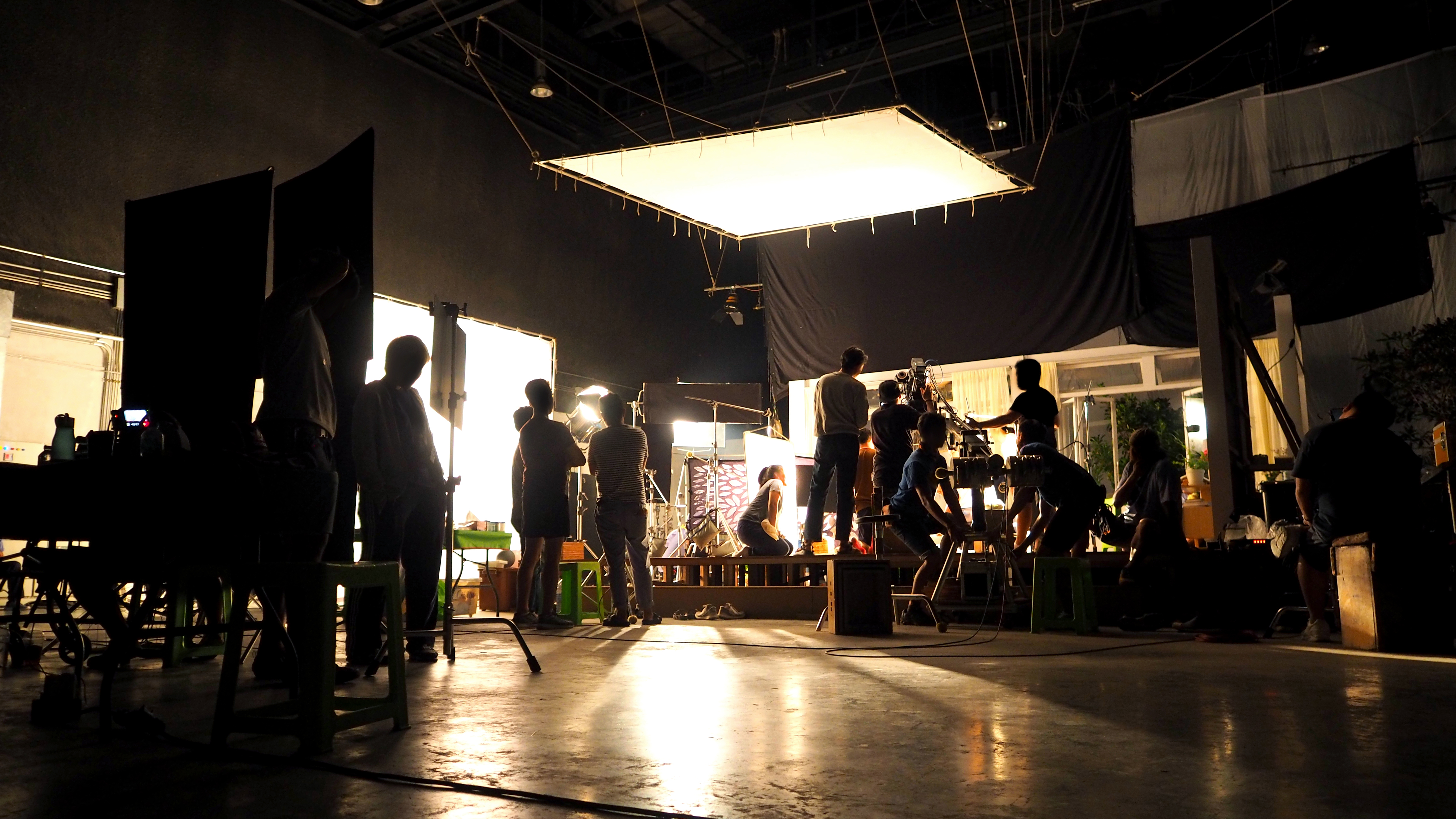
Film Screenwriting: Writing the Blueprint for a Powerful, Collaborative Journey
Film is structured, intentional storytelling designed to be experienced in one emotional sweep. That means the writer must architect a story that escalates, deepens, and resolves within roughly two hours while remembering something crucial:
We’re not writing a finished story.
We’re writing the blueprint for one.
A film script isn’t meant to be read as literature. It exists to guide performance and empower a team of artists to build something visual, emotional, and alive.
Practically, this means…
• A strong structural backbone isn’t optional; it’s essential.
• Visual storytelling takes priority over internal thought.
• Every line must be purposeful, clean, and economical.
• Subtext does heavy lifting; what isn’t said matters.
• Pacing demands discipline and clarity.
• And once production begins, your words become shared creative territory.
From the first moment the script enters production, collaboration takes over.
Directors interpret.
Actors bring nuance.
Designers shape the world.
Cinematographers control tone and focus.
Music shifts emotional temperature.
Editing reshapes timing and emphasis.
So when writing the script, the fundamental craft question becomes, “Can this moment survive and still communicate without me explaining it?”
Our job is to write a script sturdy enough to hold a movie…
and flexible enough to let other artists breathe life into it.
In the end, great film writing is about crafting something so strong on the page that it inspires collaboration rather than needing to control it.

Novel Writing: The Art of the Inner World
Novel writing is deeply internal.
In novels, writers can explore motivation, reflection, memory, nuance, psychological interiority, and emotional shades that no camera could ever capture authentically.
Practically, this means:
• The writer controls the pacing.
• Inner voice becomes a complete storytelling tool.
• Writers can (and should!) braid multiple storylines.
• The language, rhythm, and literary voice matter.
• The writer is the final creative authority.
A novel doesn’t wait for actors or producers.
It becomes what you and I make it.
Novels aren’t simply plot.
They’re lived experiences on the page.
The skills of a good novelist are many and, as with other forms of writing, must be explicitly honed for the medium.
Practically, this means:
• A novelist builds characters who feel achingly human: recognizable, flawed, brave, familiar in ways that make us lean closer, not look away. And it’s shown on the page in the way the character thinks, speaks, and acts.
• Description is not used as decoration, but as an anchor grounding readers in space, time, atmosphere, and emotional reality. Details must be chosen and placed specifically so that the story feels lived rather than observed.
• Dialogue is fluid and lean and is layered with context and subtext surrounded by dialogue tags (an art form of their own). Dialogue tags that do more than label speech; they give setting and movement, revealing the character’s values, power dynamics, emotional states, and silent tension.
• Novel writers have specific on-page techniques for the first paragraph, first page, end of first page, and the ends and beginnings of chapters. These techniques range from how to establish the opening, how we introduce a character on the page, how we ground the reader in the first line of a scene to knowing who’s talking (and where they are), and specific wording that keeps readers reading across page turns.
Novel writing isn’t simply the act of telling what happens. It’s the art of immersing readers so deeply that, for a while, the world on the page becomes the truest one.

Short Story Writing: Precision, Compression, and Focus
Short stories aren’t shortened novels. They’re a completely different artistic engine relying on compression, implication, and emotional concentration.
Practically, this means:
• The short story is most often built around one emotional turning point or revelation.
• There are fewer scenes, fewer characters, and tighter boundaries to story beats.
• Every sentence works hard.
• The story’s subtext, atmosphere, and implication do a lot of heavy lifting.
Short story writers must also make strategic choices about what to exclude. Because the form is small, stakes must be emotionally precise rather than expansive. The theme is often sharper. Imagery usually carries narrative weight. And every scene is chosen with intention: if it doesn’t serve the story’s central emotional purpose, it doesn’t belong.
Short stories also rely heavily on suggestion. What remains unsaid often matters as much as what is stated. Writers learn to trust silence, trust implication, and trust the reader to bridge meaning.
Perhaps most importantly, short stories often don’t resolve everything. They resonate. They immerse the reader in one essential human moment that the story exists to reveal.

Television Writing: Story Designed to Keep Living (and Built by Many Hands)
Television doesn’t tell one story. It tells a living narrative.
We’re crafting multiple characters.
Multiple arcs.
Multiple seasons.
And unlike film, where the director often dominates the creative voice…
Television is a writer-driven medium and a collaboratively built one.
Practically, this means…
• We write for continuity, not closure.
• Characters must sustain interest for years.
• Series arcs, season arcs, and episode arcs coexist.
• Hooks and momentum are essential.
• Most storytelling decisions are made in a writers’ room, not alone.
That means television is fundamentally collaborative:
• A showrunner guides the vision.
• Writers’ rooms build story ecosystems together.
• Each individual episode is drafted within a shared voice.
• Directors contribute, but the story DNA belongs to the writing team.
• Actors evolve characters over time and influence the story’s direction.
• Network and production realities shape choices.
Television also requires architectural thinking. A single moment in Season 1 may echo in Season 4. Emotional payoffs may be planted long before they bloom. Writers must juggle character growth, thematic consistency, pacing rhythm, and episode identity while still contributing to a much larger narrative organism.
Dialogue in television must also serve multiple masters: character consistency, emotional nuance, plot advancement, and episodic pacing. Tone across episodes must feel unified. Character voice must remain true even when multiple writers contribute. Structure must both satisfy and leave room for “what comes next.”
Writing for TV requires flexibility, humility, problem-solving, and storytelling endurance.
If a film says, “We finish the journey,” television says, “We’re not done yet.”

Quick Takeaways
Here’s a fast mental guide to four story forms:
• Script and film writing is a blueprint for performance in one powerful, contained journey. Collaboration is wholly expected.
• Novels create deep interior worlds that are author-controlled. On-page skills are required for description, setting, conflict, tone, dialogue, and page-turning techniques.
• Short stories need precision and focus to create one emotional impact. They depend on implication, thematic sharpness, and intentional restraint.
• Television is a long-form living story, built in a community. It requires narrative stamina, emotional continuity, and the ability to create worlds that sustain audience connection over time.

“Which One Should I Write?“
Choose the story forn based on what energizes you.
Do you love complete control and rich, deep words on the page?
Write novels.
Do you love intensity and focus?
Write short stories.
Do you love crafting blueprints that others will transform?
Write scripts and films.
Do you love collaborative creation, conversation, and ongoing story worlds?
Write for television.
Different forms exercise different storytelling muscles. But at their heart, they are all doing the same work:
Building worlds where human emotion matters.
Cheers,
Erin
PS. If you’re ready to shape your story with clarity, confidence, and craft, I’d love to come alongside you. Let’s build the book, script, or series you’ve been dreaming of.
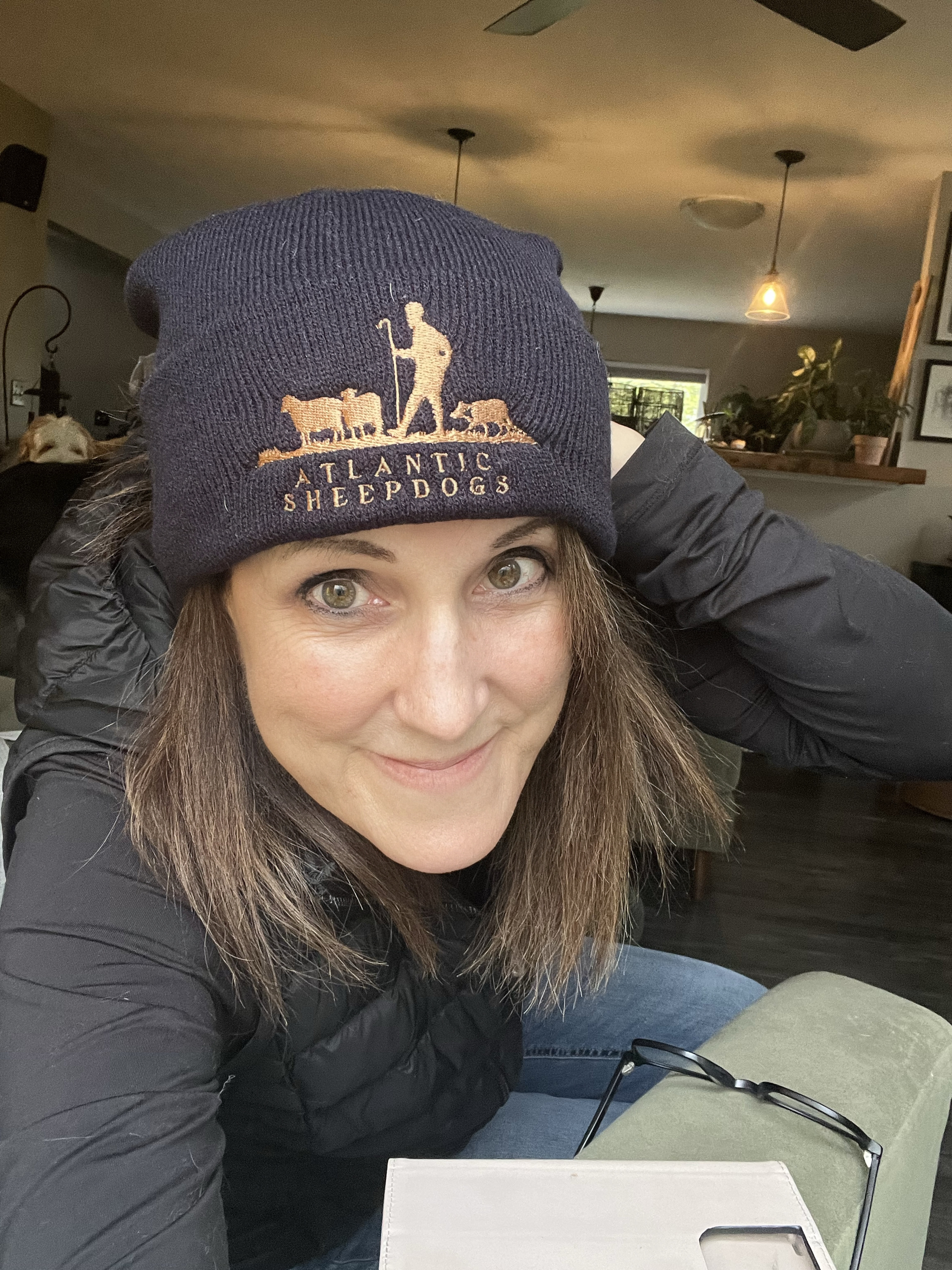
Erin M. Brown, MA, MFA, is an accomplished author, educator, writing judge, and communications expert with more than 25 years of experience helping writers craft powerful, emotionally resonant stories across fiction, screenwriting, and professional writing. A published author of more than twenty books and an experienced university instructor in writing, communications, and narrative craft, she has developed complete writing programs, trained professional writers globally, served as a competition judge for national competitions evaluating story craft and writing excellence, and guided countless authors in strengthening structure, deepening character, and elevating storytelling voice. Known for her warm expertise and clear, practical teaching style, Erin specializes in helping writers gain confidence, clarity, and mastery on the page—so their stories truly connect with readers.
 Focus, Create, Repeat -- with Erin M. Brown, MA, MFA